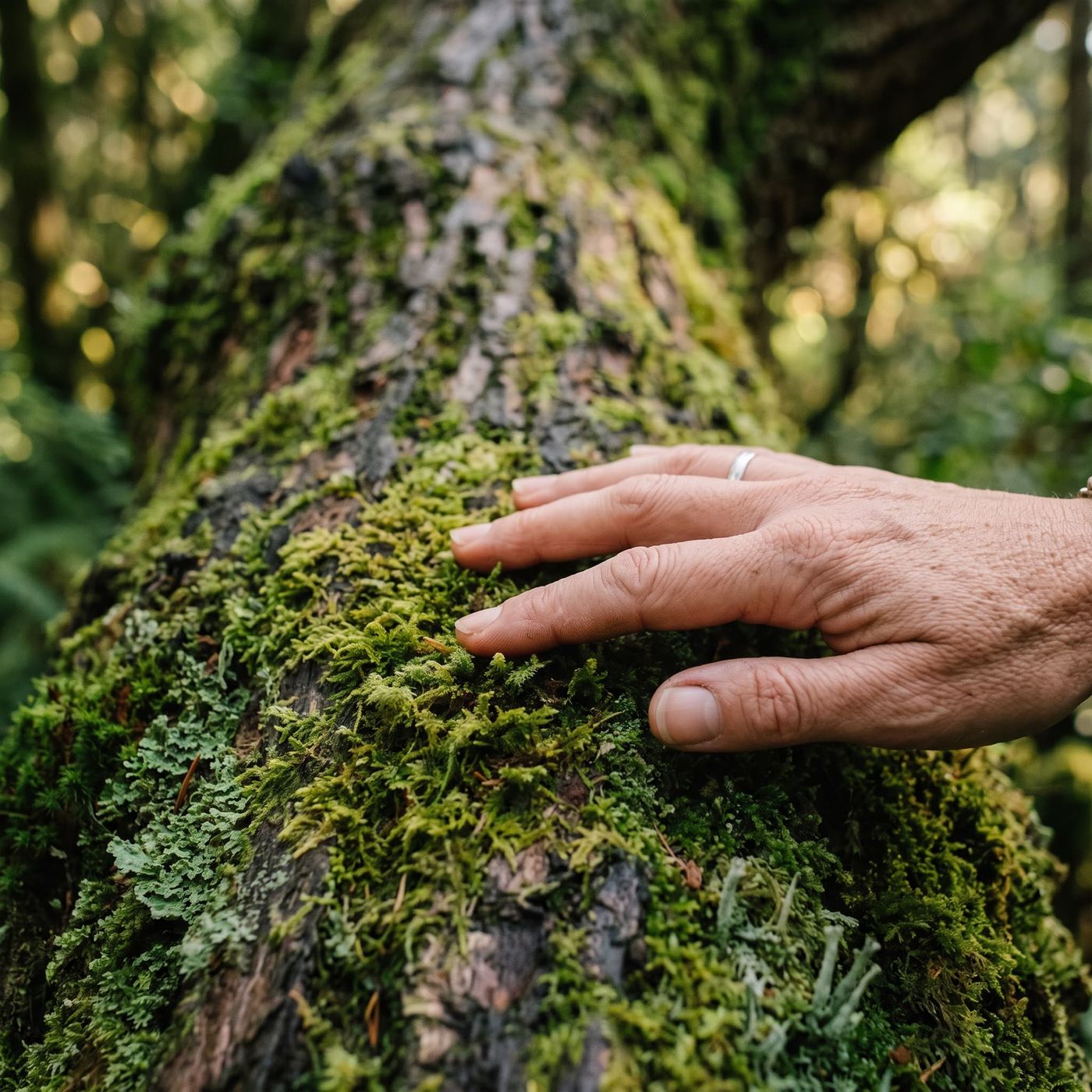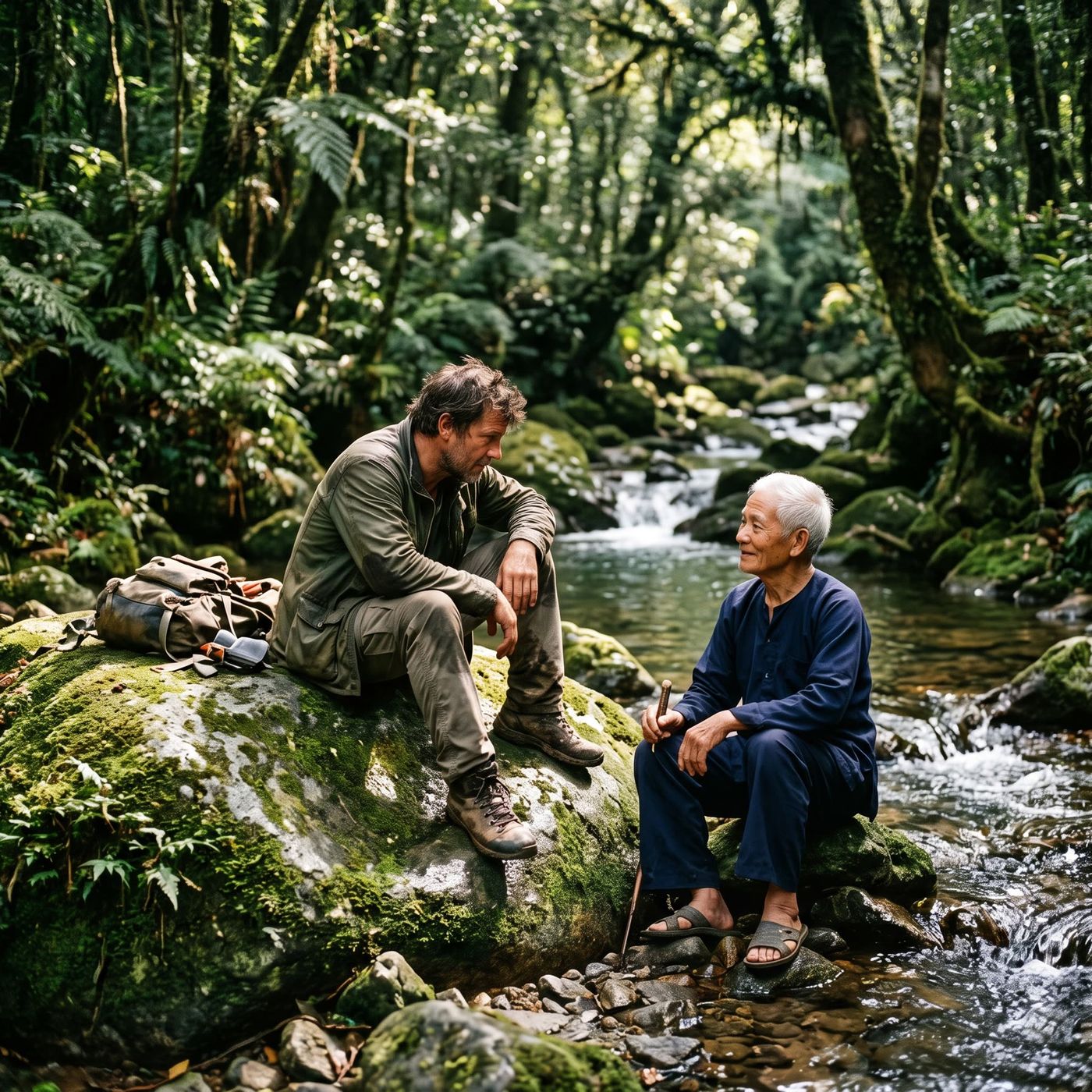
Before it became the "pearl island" on the tourist map, Phu Quoc was a piece of land almost forgotten.
Primeval forest covered most of the island, low mountain ranges ran along the coastline, and crystal-clear streams wound through every valley — little had changed in hundreds of years.
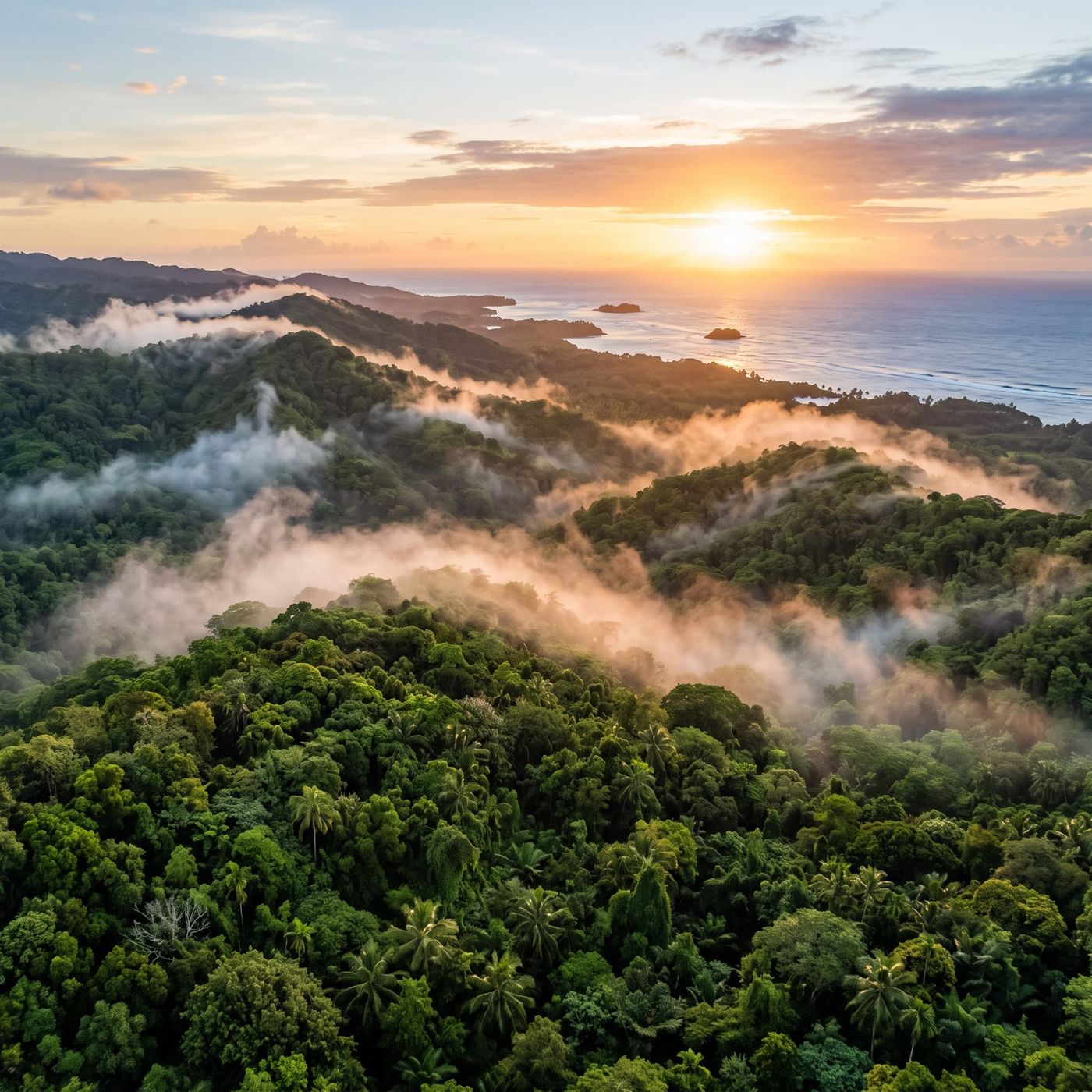
Today, amid resorts and crowded beaches, a large part of Phu Quoc still holds onto that: one of the rare surviving old-growth forests in Southeast Asia, its ecosystem still nearly intact.
Rivora sits entirely within this area — not along the coast, but deep within the forest, where the Diamond Stream flows over rocks that have stood for millions of years.
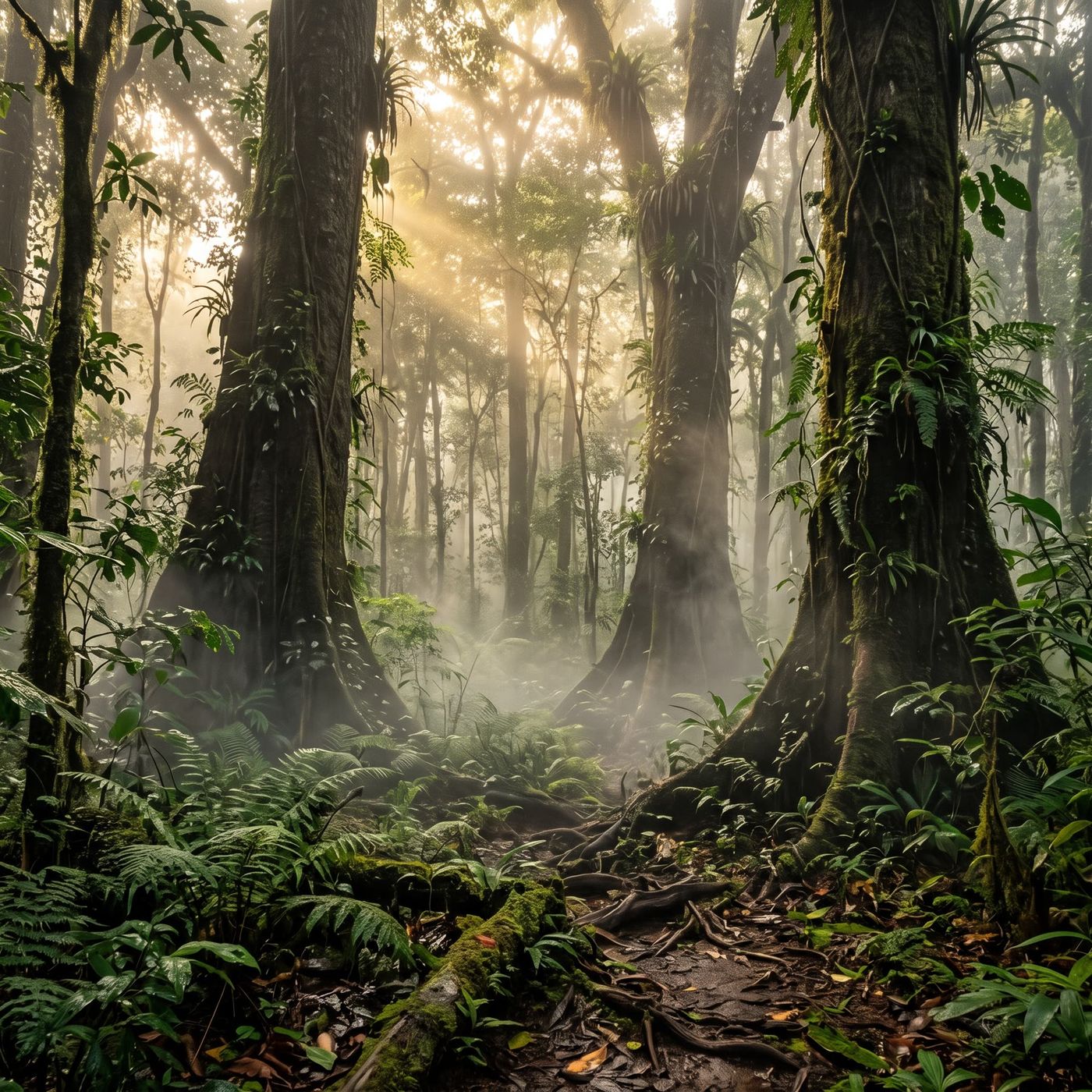
Locals call this forest "the breathing forest" — because on early mornings, moisture rising from the earth forms a thin mist, as if the whole forest were taking one long, slow breath.
Here, you can hear gibbons calling from a distance, birdsong echoing through the canopy, and sometimes — if you're lucky and quiet enough — spot the tracks of wild animals still living within the reserve.
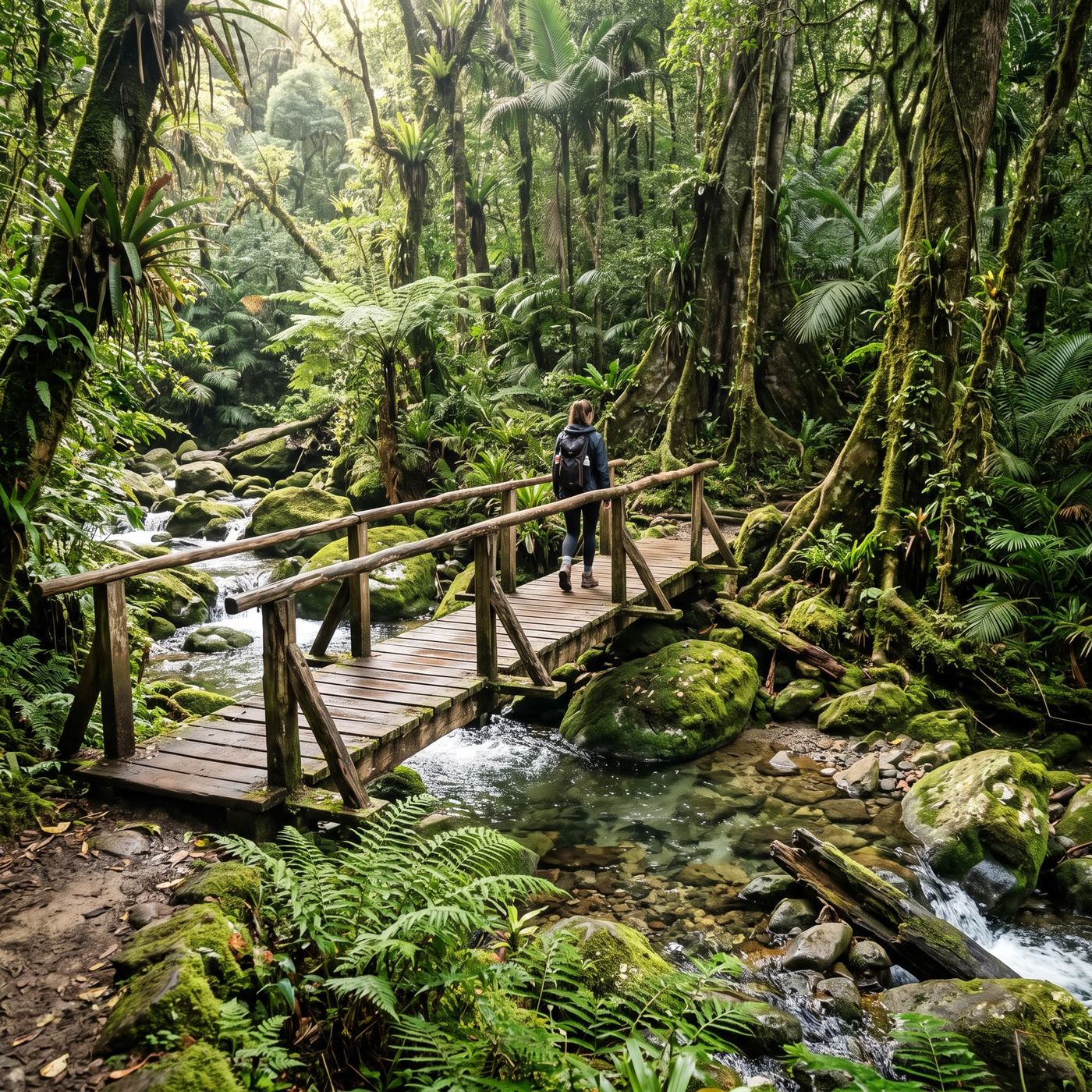
Perhaps the most remarkable thing about Phu Quoc isn't the beaches you see on social media, but something few people know: an island that has kept its own untouched rhythm intact.
And Rivora believes the most meaningful journey isn't about the photo you take — it's about listening: to that rhythm, and to your own, until the two move as one.