Journal

The Art of Shinrin-yoku Forest Bathing

In 1980s Japan, as cases of workplace stress-related illness surged, scientists asked a simple question: what happens if we bring people back into the forest?

They called the practice Shinrin-yoku — "forest bathing."

Not a long hike. Not a mountain to conquer. Simply stepping into the forest, slowly, without purpose, and letting the senses lead the way.

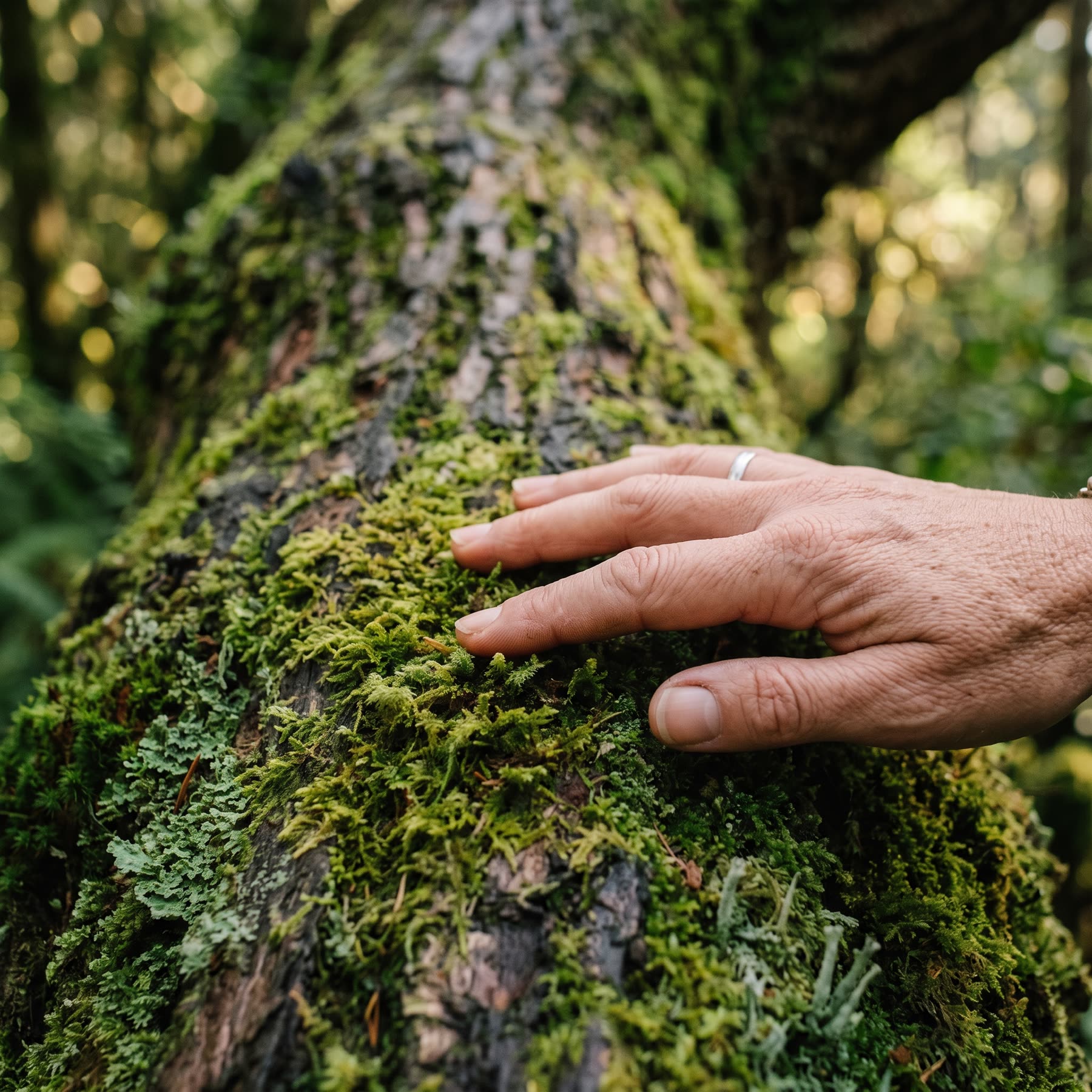
A hand gently touching mossy bark on an ancient tree trunk in a primeval forest
An exercise in attention

A guide at Rivora once said:

"Forest bathing isn't a physical exercise. It's an exercise in attention."

Guests are invited to touch rough tree bark, breathe in the scent of damp earth after rain, and listen to water trickling over moss-covered stones.

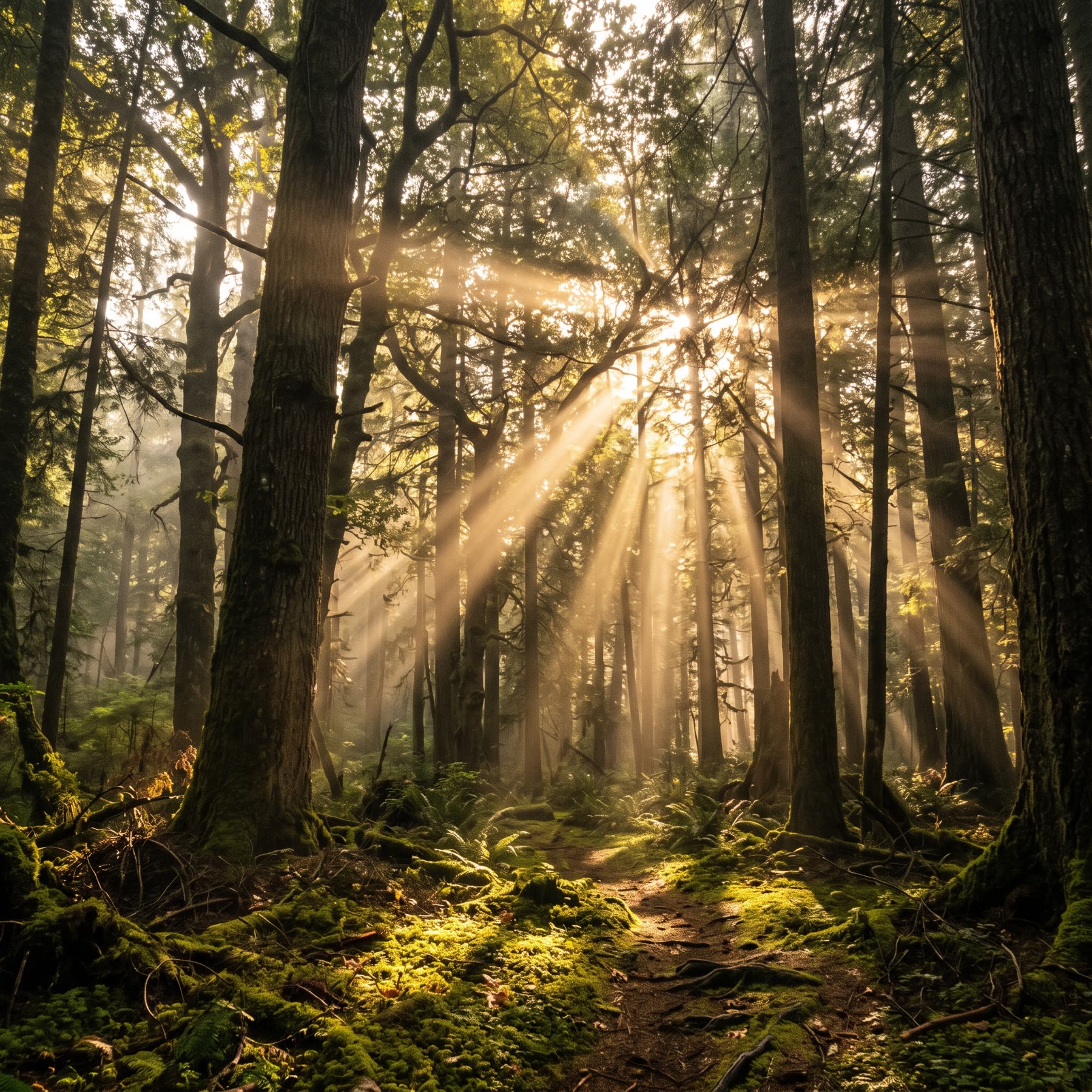
Sunlight streaming through the canopy of a primeval forest, creating patterns on the mossy ground

Later studies found that just a few hours in the forest can lower stress hormones, slow the heart rate, and strengthen the immune system — things no pill can do quite so quickly.

But for anyone who has stood in silence within a primeval forest like Rivora's, the science is only part of the story.

The rest is feeling — sunlight breaking through the canopy into a thousand dancing points of light, the scent of earth, moss and decaying wood merging into something only an old forest can produce.
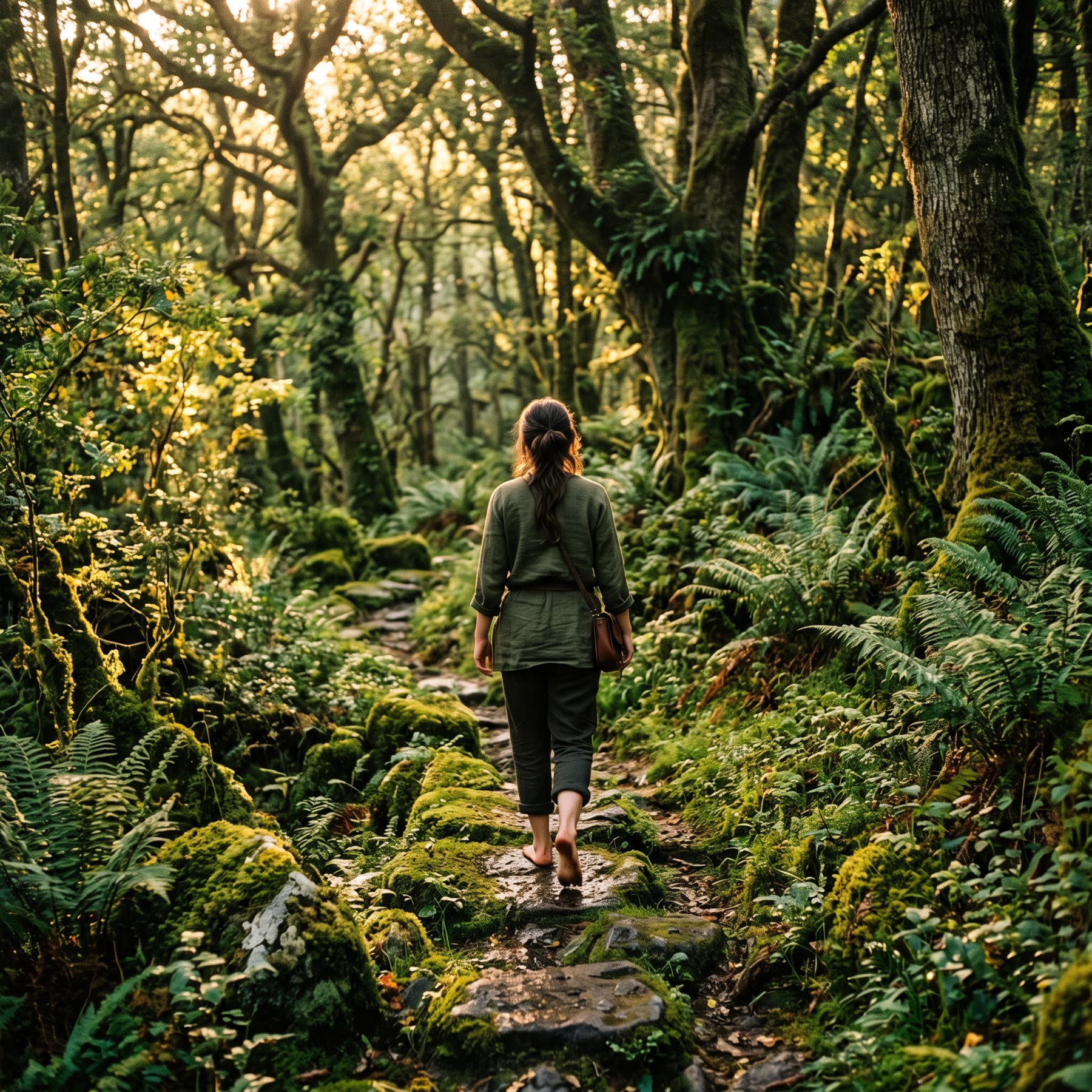
A person walking slowly, barefoot, along a mossy stone path through a fern-filled primeval forest
The forest only reminds you

That's when you realize: the forest doesn't heal you. It only reminds you that you were always a part of it.

At Rivora, forest bathing sessions are led gently through the primeval forest that surrounds the resort — no schedule, no clock, just you and the breath of an ancient forest.

Rivora

Where the old forest is still waiting for you to step in.

Let us walk alongside your journey home.

Contact & Reserve